











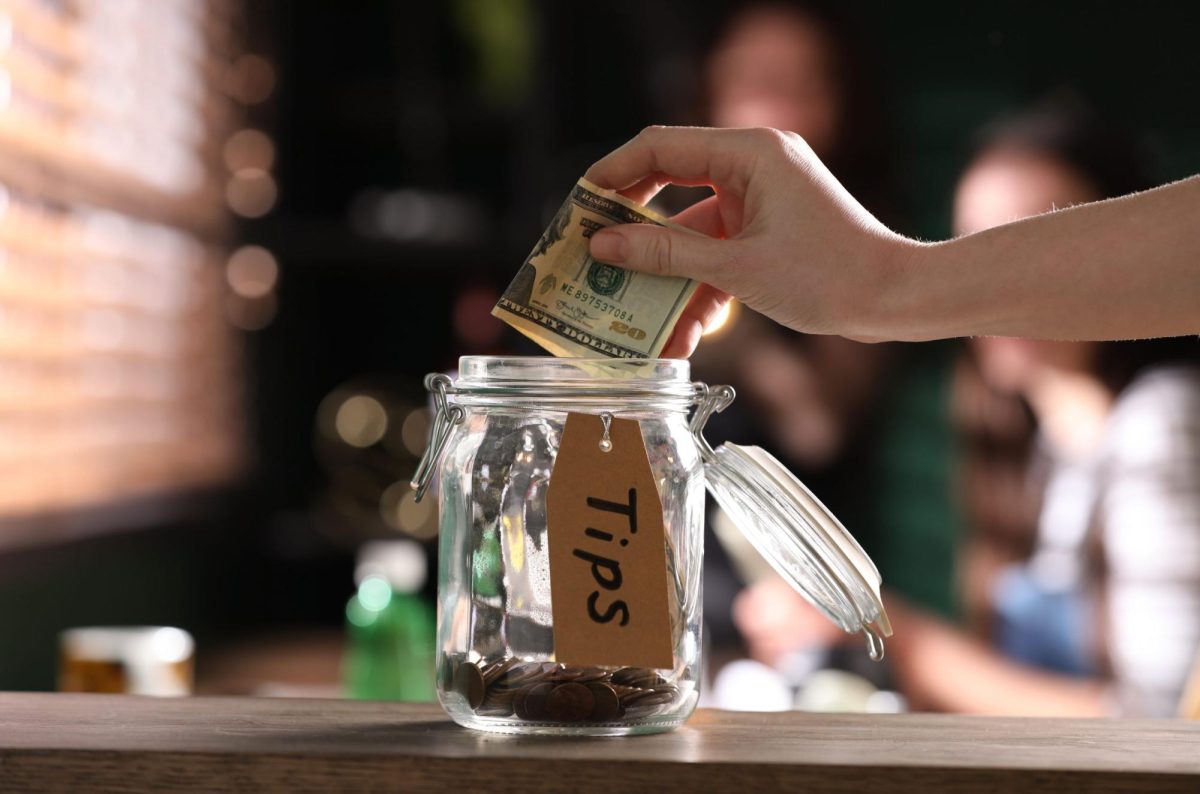
Recently tipping has become stressful, rather than an optional reward for good service. Many people feel it is mandatory: “…tipping has become…ubiquitous…now we’re being asked to tip for everything all the time, even for things that we [don’t] feel [are] customary or normal,” said Brendan Sweeney, CEO of Popmenu.
People are expressing their opinions online, stating that everywhere you go, workers expect you to tip. “”I can’t enjoy a weekend without at least five prompts to tip for doing absolutely nothing,” one user on Reddit said about tipping fatigue. “The anxiety that comes from this false pressure to tip a percentage on every bill is ludicrous.”
Tipping really increased during the COVID-19 lockdown era when the hospitality industry was hurting and consumers started leaving tips for take-out or tipping more to give “a warm and fuzzy” feeling. “But then I think we got to a point where it was like, wait…is this still an emergency? Is it still we’re helping people? At the same time, people are really feeling the pinch of inflation,” said one frustrated person.
Many individuals would rather pay higher for something rather than tip. According to a recent survey, “If given a choice, 56% of consumers are willing to pay more for meals and beverages to provide higher wages for workers and eliminate gratuities.”
However, some people disagree and say tipping does not cause them stress in the slightest. Upper School geography teacher Mrs. Carratala said she doesn’t usually mind tipping when the service is good. She points out that many service workers do not earn a lot of money. “Tipping allows them to make the extra cash that they would not otherwise make,” she said, “so I think it helps workers who are at the lower end of the salary scale to make a little more money…to take home and to help their families.”
She does acknowledge that tipping expectations have changed. “I think after COVID, [they] changed tremendously because during COVID, a lot of [service] workers ended up without jobs, restaurants were closed, people were not traveling, and were not staying at hotels…When everything started reopening again, businesses started slapping on the tipping to…make up for the fact that these workers were hurting financially.”
Even though she believes tipping is important, she said that “ideally, the better model will be to increase the wages of these workers.” She doesn’t know the specific impacts this would have on the economy, but, she said, “in a perfect world, everyone would be paid a decent, living wage, [and we] would not need tipping because everybody would make what they deserve.”