
































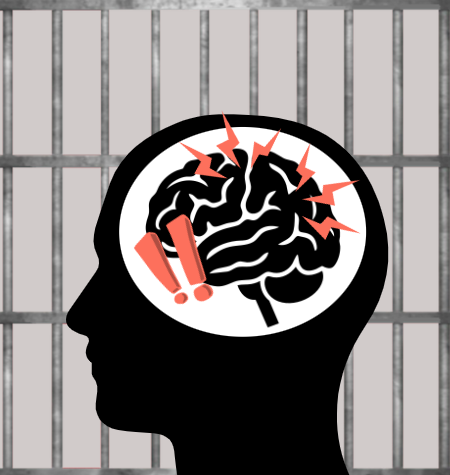
The U.S. criminal justice system has become a trap for individuals experiencing untreated mental illness.
According to a 2022 study, more than half of boys on Medicaid throughout adolescence have been diagnosed with a mental disorder. That year, those who lost Medicaid services were 15% more likely to be incarcerated within two years. Lack of mental health treatment is a significant predictor of criminal activity. Not providing access to care results a system that punishes mental illness rather than treating it and that turns jails and prison into de facto asylums.
This lack of treatment is especially concerning when one considers that 43% of people in state prisons have been diagnosed with a mental disorder and 33% have not been treated since admission.
Not only is this unethical, but punishing people with mental health issues instead of treating them does not make sense financially. It costs New York City $556,539 a year to jail a single person on Rikers Island for a year. This is half a million dollars spent to jail someone when it costs only about $42,000 to house someone in a program that provides individualized mental health and behavior services.
In addition, the physical struggles of being in a jail such as isolation, extreme noise, and violence can exacerbate trauma, which only makes mental health worse. Researchers found that prison conditions result in additional issues such as PTSD and depression.
When people are released from jail, they often continue to face economic hardships and limited job opportunities due to their criminal records, which causes a continuous, vicious cycle.
This corrupt system punishes mental illness rather than treating and preventing it. Overall, “locking up people with mental health conditions does not make anyone safer.”

Michelle Vigoa • May 18, 2026 at 1:50 pm
Kayla, this is great information supported by very interesting data. Great job with your research. Unfortunately, mental health needs are not prioritized in the United States, and there is very little funding for counseling programs. God-willing, articles like yours will make a difference and raise awareness on the importance of mental health treatment.
Bridgeen O'Connell • May 18, 2026 at 8:51 am
Well done, Kayla.