




























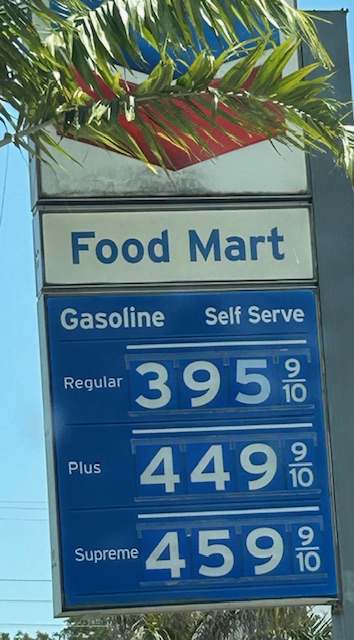
Gas prices have fluctuated dramatically since the beginning of the Israel-Iran conflict. Prices went from about $3 to over $4 a gallon in late February, affecting daily life for many people. Then the prices fell on April 17, only to rise again on April 20.
After the conflict began, global oil prices quickly went up from around $70 a barrel to nearly $120 before dropping to about $100. One big reason is problems in the Strait of Hormuz, an important waterway through which about 20% of the world’s oil passes.
“Global conflicts like an Iran war can raise U.S. gas prices because Iran produces a lot of oil and sits near the Strait of Hormuz, a key route where much of the world’s oil passes,” said Upper School geography teacher Mrs. Carratala. “If conflict disrupts that area, oil supply drops, causing prices to rise worldwide even in countries not directly involved.”
On April 17, when the strait was fully opened, crude oil prices dropped, but “after the U.S. Navy fired on and seized an Iranian container ship,” Iran began to limit traffic in the strait once more, causing prices to rise again. “Prices will likely stay high unless the conflict is resolved,” said Mrs. Carratalla.
And gas isn’t the only thing that’s getting more expensive; higher oil prices also affect the cost of other goods we use every day. That’s because oil is used to run trucks, ships, and machines that move food and goods around the country. So when oil costs more, almost everything ends up costing more, too.
Higher gas prices are also starting to change people’s habits and the way they live. Many people are driving less, combining trips, or trying to save money in different ways. “In places like Miami, it’s hard to rely on public transportation, so most people still drive, but if gas hits $5 a gallon, it could make people think twice about driving as much or look for alternatives,” said Mrs. Carratala.
All of this is making people pay more attention to what’s happening in other parts of the world because they see how it affects their everyday lives. “It also shapes opinions about political leaders and energy policies—people think about whether U.S. actions like involvement in Iran are justified,” said Mrs. Carratala. “Even though we’re far from places like Iran, higher costs hit everyone, especially people with less money.”

Liana León • Apr 22, 2026 at 2:04 pm
YES DESTINY!!!