



















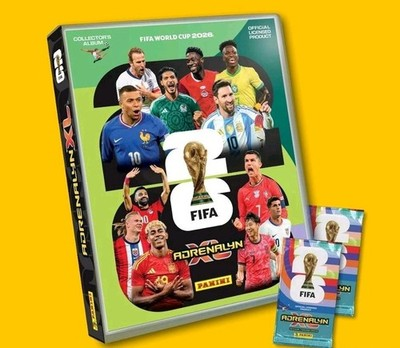








As the 2026 FIFA World Cup approaches, so do all the exclusives like Panini trading cards, a fan favorite for over 60 years.
Started in 1961, the Panini trading and collecting experience changed the lives of many soccer fans around the world. From what was originally a small, family-owned business in Modena, Italy, it became an iconic tradition during the 1970 World Cup in Mexico. The Panini family paid $1,000 to buy the rights to produce stickers of players, and family engineer, Umberto Panini, invented machinery that mixed stickers to prevent dreaded duplicates in each pack (technology that is still in use today). Suddenly, “Panini” became a beloved pastime with people from all over the world participating and passing it down from generation to generation.
“My family has been collecting Panini cards for as long as I can remember,” said Sofia Fernandez ’31. “We even have albums from my grandparents, and we hope to continue this tradition in the future with younger generations.”
Part of its popularity stems from the experience of trading, collecting, and meeting new people. Felipe Bastos (brother of Stella Bastos ‘30) agrees. “It’s fun, and having a collection is a cool thing to have. You can also build your own team,” he said. “I like the design of the cards, collecting players for the team that I root for, and they also come with good collectors’ items.”
However, many people are missing out on this key component of the hype building up to the World Cup. According to a survey of 39 seventh and eighth graders at Carrollton, over 50% did not know what Panini Cards were, which raises a question: Has Panini failed to market to younger generations?
“I have never seen a Panini ad in public, so I don’t think they have been advertising that well,” said Felipe Bastos.
Santi Fernandez-Arce, a student at George Washington Carver, agrees. “It’s kind of crazy to me that I’ve never seen any advertisement besides the name being displayed at games every so often…I think that the company could earn a lot of money if they advertised.”
Despite the potential profit gap, sales have been skyrocketing. In 2022, Panini produced and sold over a billion packets. Panini is also expected to be successful this year with the card market projected to grow by $3.54 billion, trading formats advancing, and the craze growing every year.