
































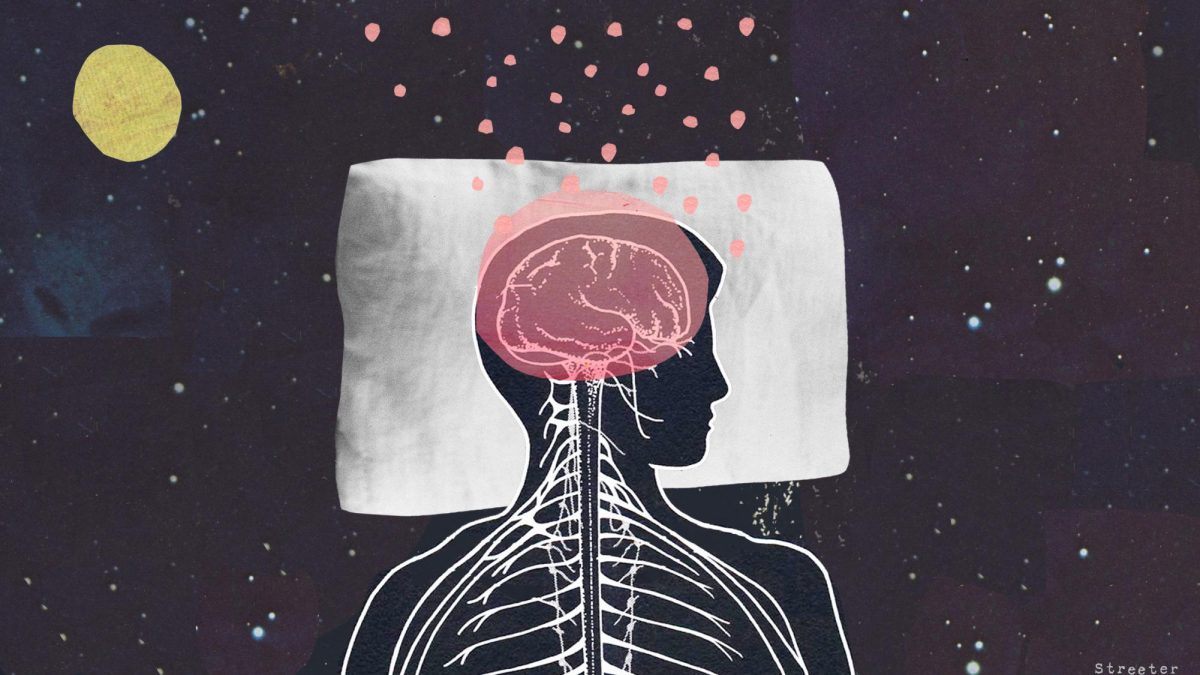
Although it is often overlooked, sleep is one of the most important factors when it comes to well-being and mental health. Many teens today often have busy schedules packed with extracurriculars, college applications, and schoolwork, making them forget one of the most important skills–sleep.
One common misconception is that the older you get, the less sleep you need. The reality is that the opposite is true. Many teens believe that an adequate amount of sleep falls in a range between 7 to 8 hours. “I usually get 7 ½ to 8 hours of sleep, and I think that is a good range for our age,” said Valentina Bared ‘29. However, teens should be getting 9 to 9 1/2 hours of sleep every night. This is because in high school, the brain is still developing, and needs those vital hours of sleep to reset, which can help teens avoid falling into depression and enhance their performance at school. Studies have shown that without sufficient sleep, the brain slows down and is not able to work or think clearly. Without enough sleep, high school students often struggle to retain information or focus.
Mental health and sleep are also intertwined. Insufficient sleep can increase negative responses to stressors such as overwhelming school work and can decrease positive emotions. Getting sufficient sleep is important to maintain cognitive skills such as attention, memory, and learning, and is essential to the brain’s ability to process daily events. To get better sleep, researchers recommend avoiding caffeine, creating a relaxing and comfortable bedroom environment, going to bed and waking up at the same time every day, engaging in physical activity and, most importantly, avoiding screen time before bed.
One reason teens don’t get enough sleep is that many prefer to scroll on their phone at night. “I go to bed at around 11:45 because I usually finish homework at around 10 or 11 and then just ‘bed-rot’ on my phone until 11:45,” said Sofia Mendoza ‘29. The reality is that scrolling before bed or even just being on your phone is the worst thing to do for your sleep schedule and mental health. Blue light from devices emits shorter wavelengths than other colors and causes more alertness which can overstimulate the brain and prevent you from getting quality sleep.
Limiting screen time or even leaving your device in another room when you go to bed are ways to ensure improved sleep quality, lower stress levels, and better mental health. “I think for the future in order to get better sleep, I’ll start to put time limits on my phone to prevent myself from scrolling,” said Mendoza.
Sleep is the number one tool in order to have a successful four years in high school. We tend to view it as just an added bonus, something we only do if there is time left over, but it is important to change this mindset and prioritize sleep over all other activities.
“On those rare days when I do get enough sleep, I can feel the benefits of a clearer mind, and sharper focus in school, which makes me realize that sleep should be my top priority,” said Mendoza.