

































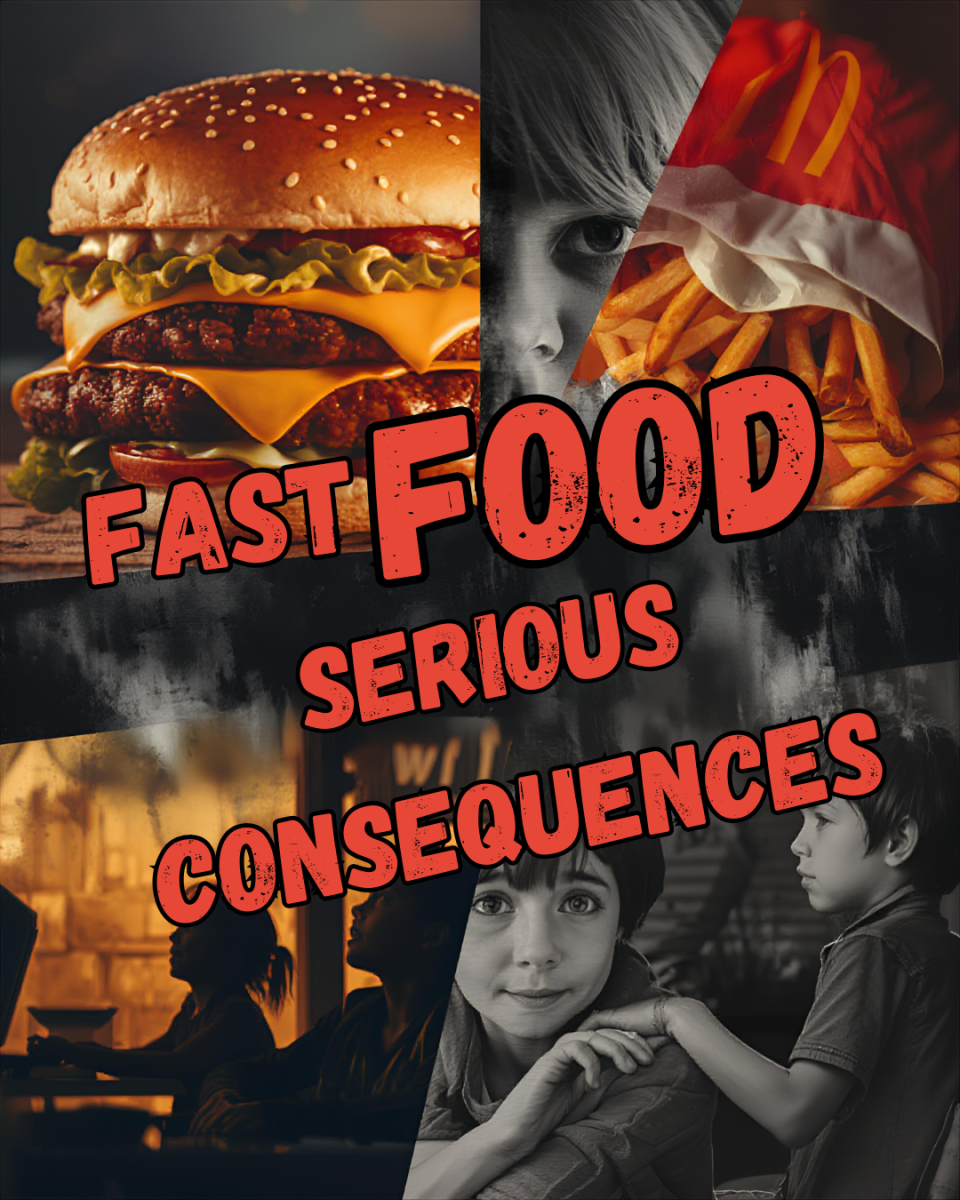
Every day, children are exposed to, on average, thirteen food advertisements, and teenagers are exposed to about sixteen. 90% of these ads promote unhealthy foods filled with sugar and artificial flavors, and only 10% market healthy foods like vegetables and fruits. Kids who watch child-targeted fast-food advertisements have a 26-31% higher chance of eating the unhealthy fast-foods being promoted than children who are not exposed to these types of advertisements. Fast-food companies utilize strategic tactics to reach children in ways that they are familiar with such as social media and mobile gaming apps.
A study conducted in 2019 gathered 101 children and teenagers and recorded them as they used their preferred social media app for five minutes. The results indicated that 72% of them were exposed to food ads, and out of the 215 total ads they viewed, 44% of them promoted unhealthy fast-food and 9% marketed sugary drinks.
Another study conducted in Australia gathered children ages seven to twelve to play a four-minute mobile game and then choose a snack to eat after. They also included a control group that was not exposed to ads to compare their results. The children who were exposed to unhealthy fast-food ads were significantly more likely to choose the snack being promoted after the game was over than the children who weren’t. This study revealed that advertisements have a direct effect on children’s decisions.
Being exposed to fast-food advertisements so frequently increases the likelihood of children and teenagers consuming them, posing a risk to their long-term health. Fast foods are filled with excessive fats, sugars, and unhealthy ingredients. If consumption rates are higher, so is the probability of developing obesity and heart diseases.